
Negative Thermal
Expansion Materials
- Mitsui Kinzoku
Unlock new possibilities with next-generation NTE materials. Our innovative approach fundamentally addresses the long-standing challenge of thermal expansion-something conventional material design has struggled to overcome.
Please feel free to contact us
PRODUCT
What are Negative Thermal
Expansion (NTE) Materials?
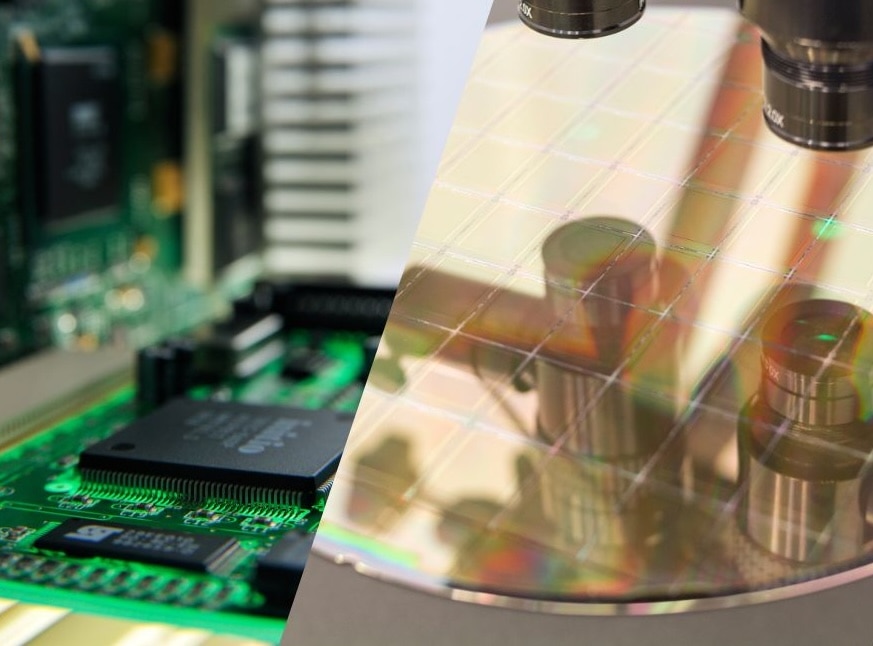
They are a new option for advanced packaging and other high-precision electronic applications.
NTE materials minimize thermal expansion to near zero, thereby maintaining dimensional accuracy of products.
NTE materials minimize thermal expansion to near zero, thereby maintaining dimensional accuracy of products.
PROBLEM
Are you experiencing any
problems related to
thermal expansion?
-
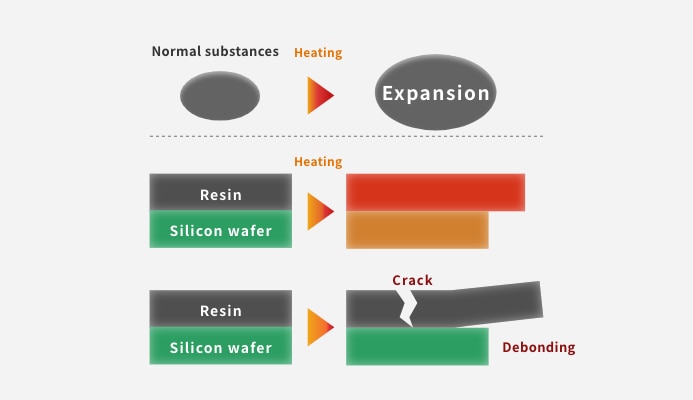
Cracking, delamination, and deformation due to thermal expansion mismatch between materials.
-
Reducing material reliability due to cracks and distortions.
-
Delamination at bonding interfaces such as adhesives and solder joints due to thermal expansion mismatch between materials.
SOLUTION
You can solve your problem using Mitsui's NTE materials.
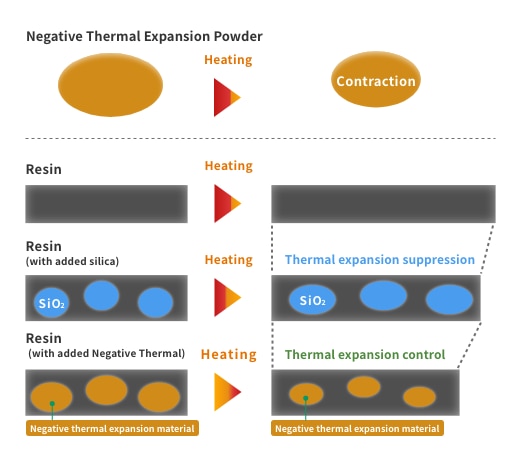
NTE materials are a special type of
material that shrinks when it heated.
Leveraging this property allows you to suppress the expansion of materials such as resins, which are prone to thermal expansion.
Inorganic fillers, such as silica, are typically used to minimize resin expansion. However, for advanced packaging and related high-precision applications, tighter thermal expansion control is becoming essential.
Using Mitsui's NTE materials instead of silica fillers allows for more effective thermal expansion control.
Inorganic fillers, such as silica, are typically used to minimize resin expansion. However, for advanced packaging and related high-precision applications, tighter thermal expansion control is becoming essential.
Using Mitsui's NTE materials instead of silica fillers allows for more effective thermal expansion control.
Please feel free to contact us
MATERIAL
Mitsui's Three NTE materials
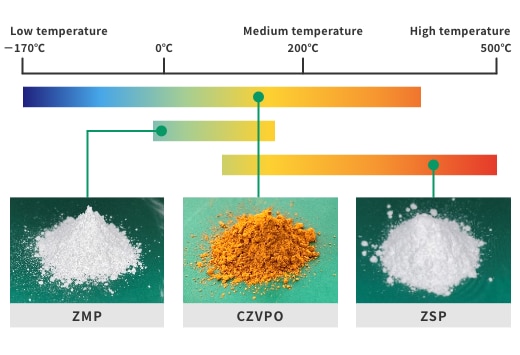
ZMP
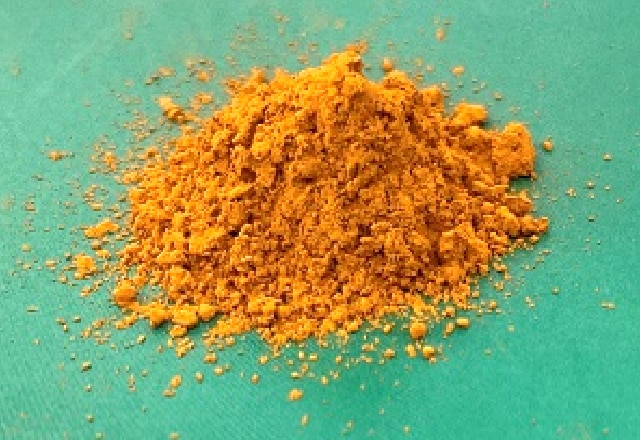
CZVPO
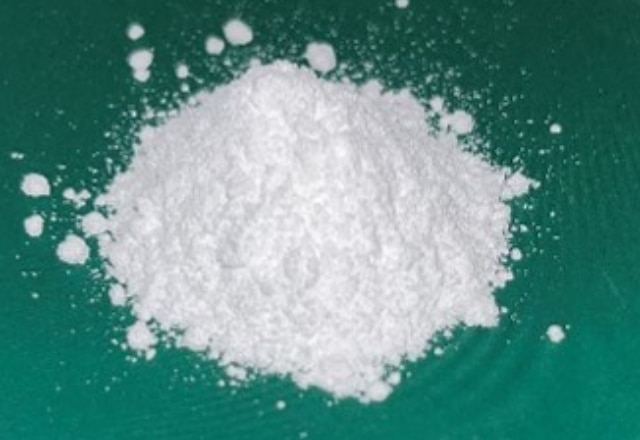
ZSP
FEATURES
Three characteristics of NTE materials
NTE materials perform well in a wide variety of applications.
| 01 | FEATURES |
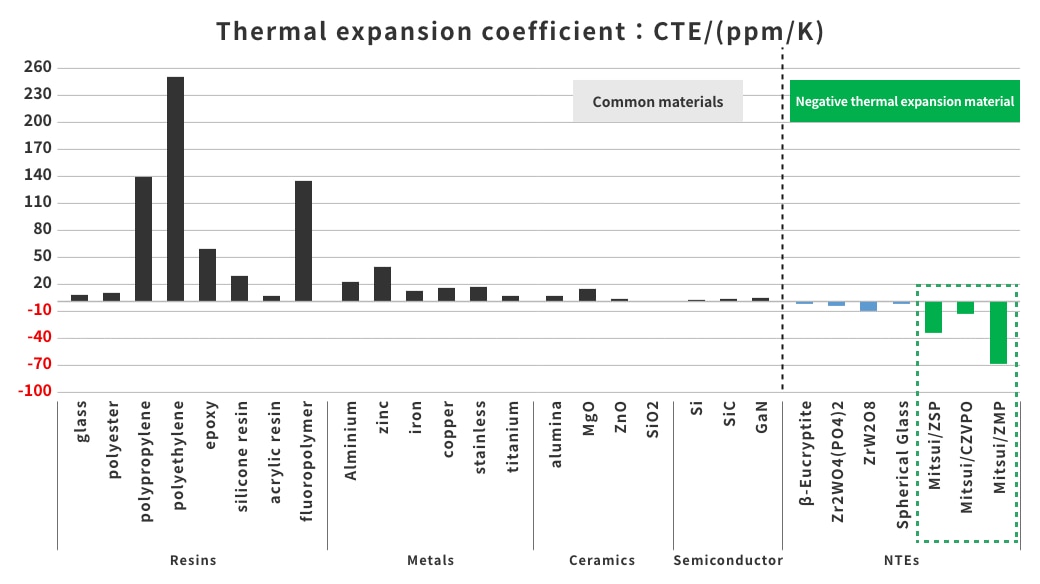
High Shrinkage Effect
Mitsui's NTE materials provide outstanding shrinkage effect and ensure the long-term stability of products.
| 02 | FEATURES |
Customization
We offer a range of customization options tailored to customer needs, such as surface treatment, particle size control, and compatibility with low-dielectric grades.
These options enable optimized performance for any application.
These options enable optimized performance for any application.
| 03 | FEATURES |
Wide Temperature Coverage
Mitsui's NTE materials demonstrate shrinkage effects across a wide temperature range. Depending on the temperature range where you wish to suppress thermal expansion, you can select from various types.
Please feel free to contact us
LINE UP
NTE materials Lineups
| Temperature range | Low | Low~Middle | Middle~High | |
|---|---|---|---|---|
| Material | ZMP | CZVPO | ZSP | |
|
Maximum linear thermal expansion coefficient ※1 |
-66ppm/K | -12ppm/K | -38ppm/K | |
| Features | Excellent shrinkage performance at near room temperature | Constant shrinkage performance across a wide temperature range |
Excellent shrinkage performance at high temperature range |
|
|
Contraction temperature range ():Particularly effective temperature range |
℃ | -10℃~80℃ (40) |
-170℃~230℃ (-170~230) |
100℃~500℃ (180) |
| PSD(D50) | μm | 4~5 | 2~10 | 0.6 |
|
Bulk density |
g/ cm3 |
1 | 1 | 0.1 |
| True density |
g/ cm3 |
3.7 | 3.9 | 2.9 |
| Dielectric constant ※2 | - | 4.8 | 4.9 | 5.8 |
| Dielectric loss tangent ※2 | - | 0.010 | 0.006 | 0.031 |
|
Heat resistance temperature (Thermal decomposition temperature) ※3 |
℃ | 900 | 650 | 800 |
ZMP and CZVPO: Invented by Professor Takenaka, Nagoya Univ.
ZSP: Invented by Professor Isobe, Institute of Science Tokyo
※1: Linear thermal expansion coefficient
※2: Cavity resonator JIS C2565(10GHz)
※3: In the atmosphere
ZSP: Invented by Professor Isobe, Institute of Science Tokyo
※1: Linear thermal expansion coefficient
※2: Cavity resonator JIS C2565(10GHz)
※3: In the atmosphere
CASE STUDY
Applications
Mitsui's NTE materials can be used in a wide variety of applications that require thermal expansion needs to be suppressed.
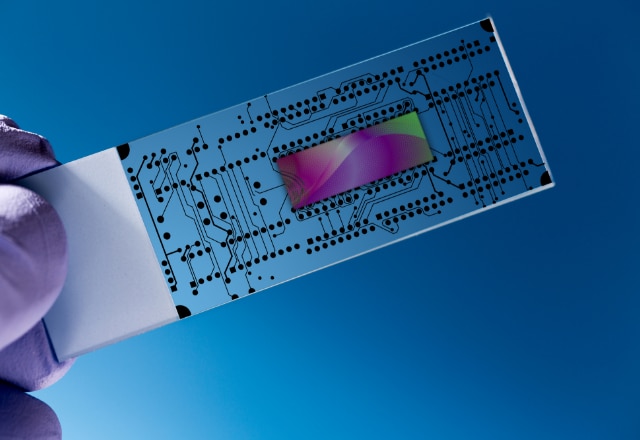
Semiconductor

Encapsulation / MUF /
Copper-Clad Laminate
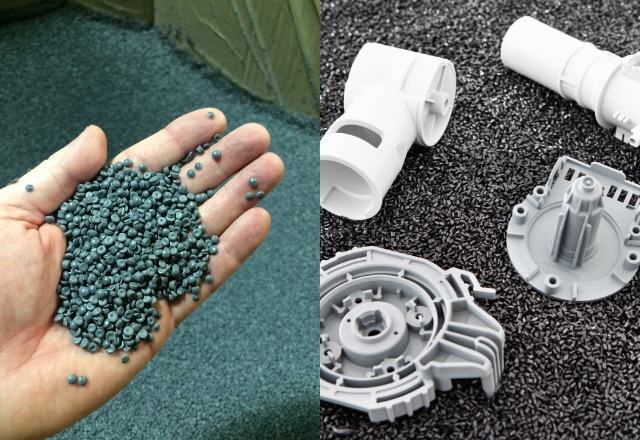
Specialty Engineering
Plastics
Please feel free to contact us

Copyright© MITSUI KINZOKU CO.,LTD. All Rights Reserved